
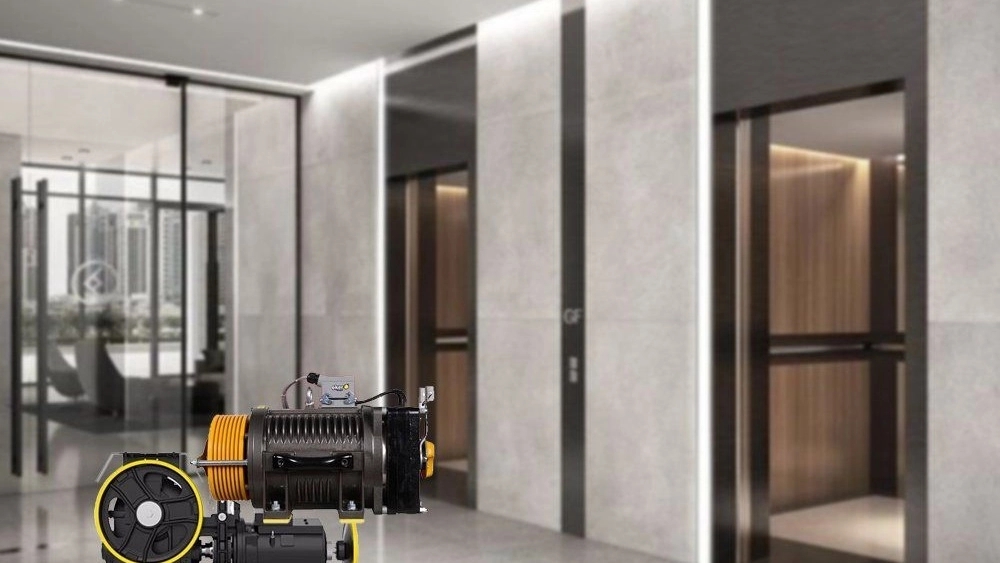
Elevator Protection System Goals
- تامین کردن امنیت آسانسور
- نظارت و مدیریت عملکرد درست آسانسور و و ک آسانسور
- احتمالی و و واکنش درست درصورت ایجاد خطر
What is an elevator protection system?
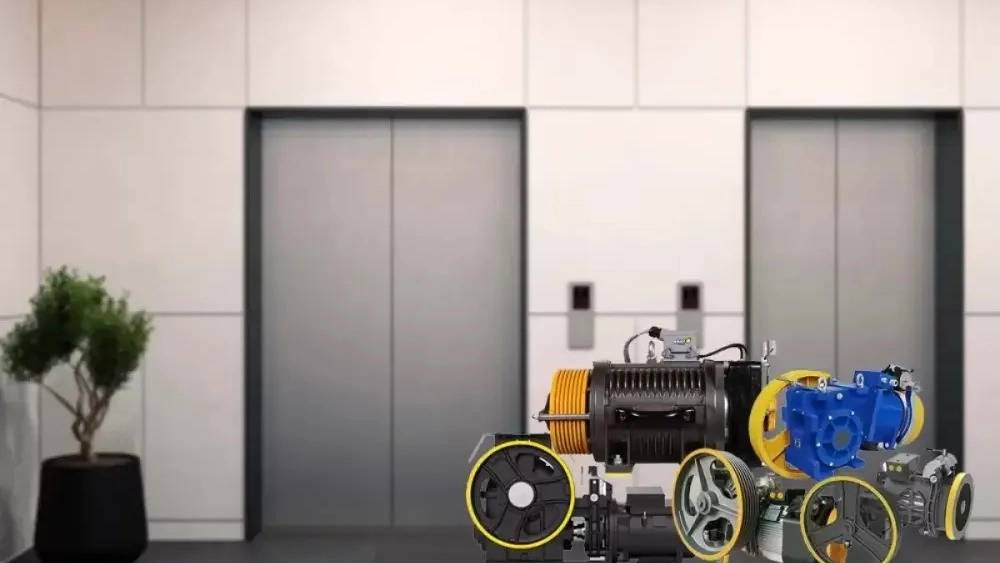
, for example, one of the components of the elevator protection system is the main brake or parachute mounted on the elevator cab. If there is a problem during the movement of the elevator, the main brake will be activated and the elevator cab will be stopped. Or, for example, if the elevator speeds up or the towing wire is ruptured, the parachute performance will be disconnected and the elevator movement stops. Or, in the event of a defect in the elevator cab or balance weight, the buffer prevents the cabbage from colliding with the elevator well.
Elevator protection system must be designed to properly control the elevator cab and maintain passenger safety when moving and stopping the elevator. Since the elevators usually operate without the need for an operator or leader and all movements and stops are carried out automatically, this immune system must automatically retain the lives of the occupants when necessary and in defined conditions. P>
What is an elevator suspension?
The elevator suspension includes a set of components whose main task is to move the elevator cabin and balance weight using towing wire and tensile wire. The elevator motor provides the force needed to rotate the tensile flame, and the towing wire, which is connected to the cab and the weight of the balance, moves the cabin and balance weight by moving the tensile. The system also uses balance weight to reduce the power needed and increase efficiency.
Elevator mechanical protection system
This model of the elevator protection system includes several elements used to prevent accidents and safety in elevator performance. This system is a combination of technologies, mechanisms and security measures used in the design and manufacture of elevators, and the main components of this system include:
RBS brake:
One of the main components of the crash system is the ROLL Form Brake System. The system includes the mechanism of springs and wheels and reacts if the elevator wire is torn and stops the elevator cab fall. The RBS brake system operates so strong that it can even cut the elevator cab movement as much as one centimeter.
Parachot:
is an elevator emergency brake system that operates using the provider and based on the center's law. When the elevator speed is exceeded and there is the possibility of a free fall in the elevator cabin, the parachute is immediately activated and prevents the elevator from falling completely and provides security.
Elevator Floor Lock Lock System:
automatically locks the floor doors and prevents them from opening them until the elevator is completely stopped. This system prevents unauthorized entry into the elevator and the loss of its balance.
Bumper or buffer:
is at the end of the elevator movement and is typically located at the bottom of the elevator cab. The purpose of using bumpers is to absorb the impact and the effects of the elevator collision with the well. The bumpers are divided into two types (made of polyurethane) and hydraulic.
Strong fatal cable (towing):
towing is a strong cable that is connected to the elevator cab and if the main cable falls, the towing is activated as a support system. This strong fatal cable plays a very important role in preventing the sudden fall of the elevator.